A beautiful home certainly captures attention, but true success in home design goes beyond appearance. A space that looks impressive yet fails to support everyday living quickly becomes frustrating. Modern homeowners increasingly recognize that function should come before decoration because a home is meant to serve the people who live in it.
Every room has a purpose, and every design choice should make daily life easier, more comfortable, and more efficient. Whether designing a new home or renovating an existing one, focusing on functionality creates spaces that remain valuable long after design trends have changed.
Function Creates Better Everyday Living
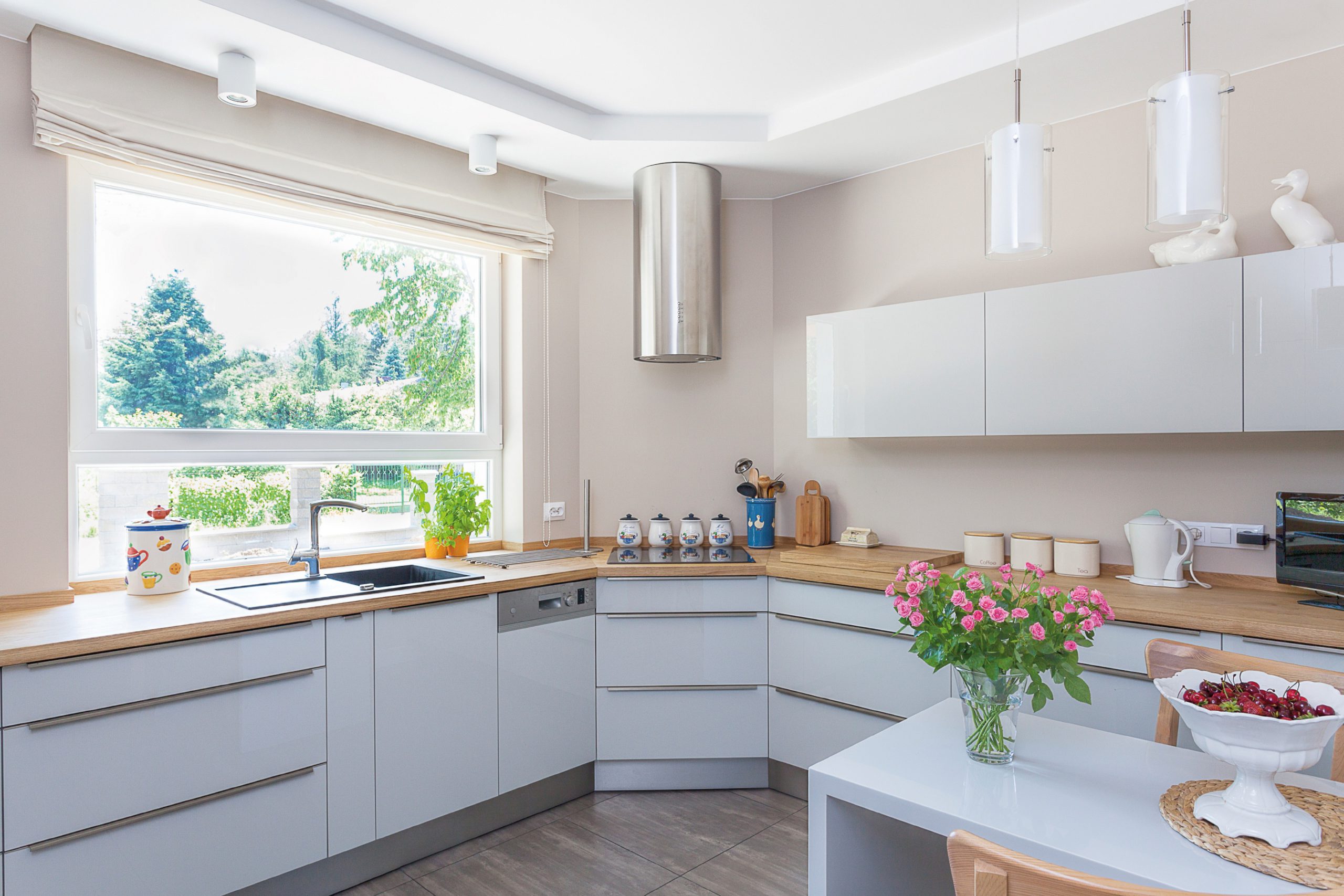
The best homes are designed around routines rather than appearances. A family kitchen should support meal preparation, storage, and gathering. A home office should encourage productivity with proper lighting and organization. Bedrooms should promote rest through thoughtful layouts instead of excessive decoration.
When functionality becomes the starting point, every design decision contributes to a better living experience. Storage is placed where it is needed most, traffic flow becomes natural, and furniture serves practical purposes without creating unnecessary obstacles.
Beautiful interiors become even more enjoyable when they also simplify everyday life.
Mahabhulekh Highlights The Importance Of Organized Information
Digital platforms such as Mahabhulekh demonstrate how organized information makes important tasks easier to complete. Well structured systems reduce confusion while improving accessibility.
Home design follows a similar principle. Organized spaces reduce stress by making everyday activities more efficient. Clearly defined storage areas, practical room layouts, and accessible household essentials help families spend less time searching for items and more time enjoying their homes.
Organization is not simply about cleanliness. It is an essential part of functional design.
Read More Before Making Design Decisions
Planning is one of the most important stages of any home improvement project. Instead of making decisions based solely on inspiration photos, homeowners should read more about how different layouts, materials, and design solutions perform in everyday situations.
A stylish kitchen island may look attractive but could reduce movement if installed in a limited space. Large furniture may appear luxurious while making smaller rooms feel crowded. Research allows homeowners to understand both the visual appeal and practical consequences of each decision.
Thoughtful planning helps avoid expensive modifications later.
Comfort Should Never Be Sacrificed For Style
Interior trends constantly evolve, but comfort remains timeless. Soft lighting, practical furniture placement, durable flooring, and adequate storage continue providing value regardless of changing design preferences.
Functional homes also adapt to changing lifestyles. Growing families, remote work, aging household members, and evolving hobbies all influence how spaces are used. Flexible layouts allow homes to accommodate these changes without requiring major renovations.
When comfort becomes a design priority, the home naturally becomes more welcoming.
Manav Sampada In Up Reflects The Importance Of Efficient Systems
Administrative platforms such as manav sampada in up demonstrate how efficient systems improve user experiences by simplifying complex processes.
Homes benefit from the same philosophy. Efficient household systems include organized storage, logical room arrangements, energy efficient lighting, and practical utility spaces. These features may not immediately attract attention, but they contribute significantly to everyday convenience.
The most successful homes operate smoothly because thoughtful systems support daily routines behind the scenes.

Every Room Should Have A Clear Purpose
A functional home avoids wasted space. Every room should serve a meaningful role while supporting the needs of the people using it.
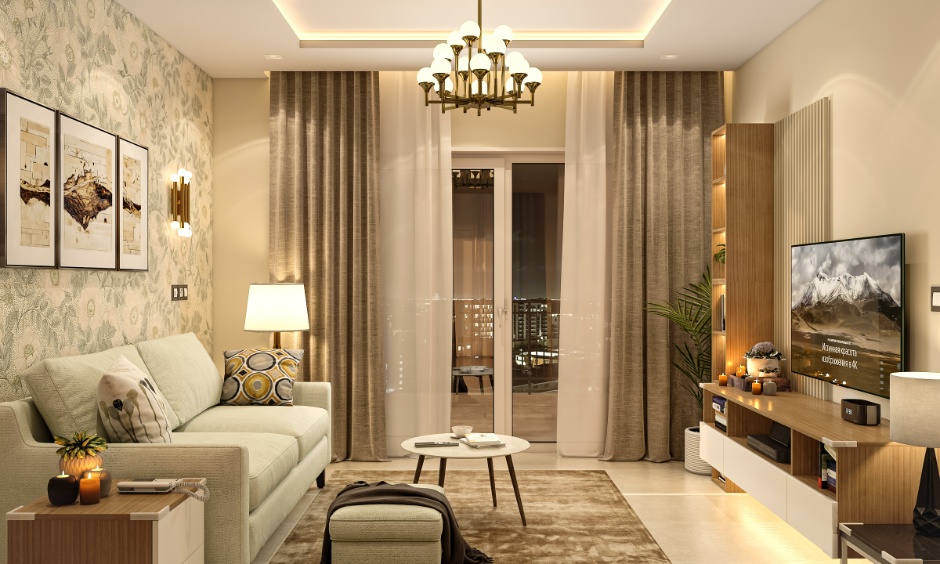
Living rooms should encourage conversation and relaxation. Entryways should provide practical storage for shoes, bags, and outerwear. Bathrooms should maximize accessibility while remaining easy to maintain. Even smaller spaces such as hallways or under stair areas can become valuable through smart storage solutions.
Purpose driven design helps every square foot contribute to the home’s overall usefulness.
Read Here To Understand Long Term Value
Homeowners often focus on immediate visual improvements, but lasting value comes from practical upgrades. Before beginning a renovation, many experts recommend taking time to read here for guidance on functionality, maintenance, and long term performance.
Quality insulation, efficient windows, durable materials, and adaptable layouts may not be as visually dramatic as decorative finishes, but they improve comfort while reducing future maintenance costs.
Investments that improve functionality usually continue delivering benefits for many years.
Technology Should Support Everyday Living
Modern homes increasingly incorporate smart technology, but technology should enhance convenience rather than create unnecessary complexity.
Automated lighting, programmable climate control, security systems, and energy monitoring tools improve efficiency when they are easy to operate. Good design ensures that technology blends naturally into everyday living instead of becoming a source of confusion.
Practical innovation always serves people first.
Visit This Site For Design Inspiration, Then Adapt It
Many homeowners visit this site or browse online galleries when gathering inspiration for renovation projects. While these resources provide creative ideas, every home has unique dimensions, lifestyles, and functional requirements.
Rather than copying designs exactly, homeowners should adapt inspiration to suit their own needs. A layout that works perfectly in one house may not be practical in another. Personal routines, family size, storage needs, and available space should always guide final decisions.
The best designs combine inspiration with thoughtful customization.
Conclusion
A successful home is measured by more than attractive finishes or fashionable décor. It is defined by how comfortably and efficiently it supports everyday life. Functional design improves movement, organization, comfort, and long term satisfaction while reducing unnecessary frustration. Although design trends will continue to change, practicality never becomes outdated. Homes that prioritize purpose before appearance remain comfortable, adaptable, and valuable for years to come. When function guides every design decision, beauty naturally follows, creating spaces that are both visually appealing and genuinely enjoyable to live in.