Workplace safety involves more than installing surveillance cameras or securing doors at the end of the day. Businesses must consider who enters their premises, which areas employees can access, and how to prevent unauthorized individuals from reaching sensitive locations. As workplaces become more complex, traditional locks and keys may no longer provide the flexibility and control organizations need.
Access control systems offer a practical solution by helping businesses manage entry permissions, monitor movement, and strengthen overall security. Whether used in offices, warehouses, healthcare facilities, or commercial buildings, these systems contribute to creating environments where employees can work with greater confidence.
Preventing Unauthorized Access to Workplace Facilities
Preventing unauthorized people from entering restricted areas is one of the main goals of access control systems. Traditional keys can be misplaced, duplicated, or shared without permission, making it difficult for businesses to maintain complete control over building access.
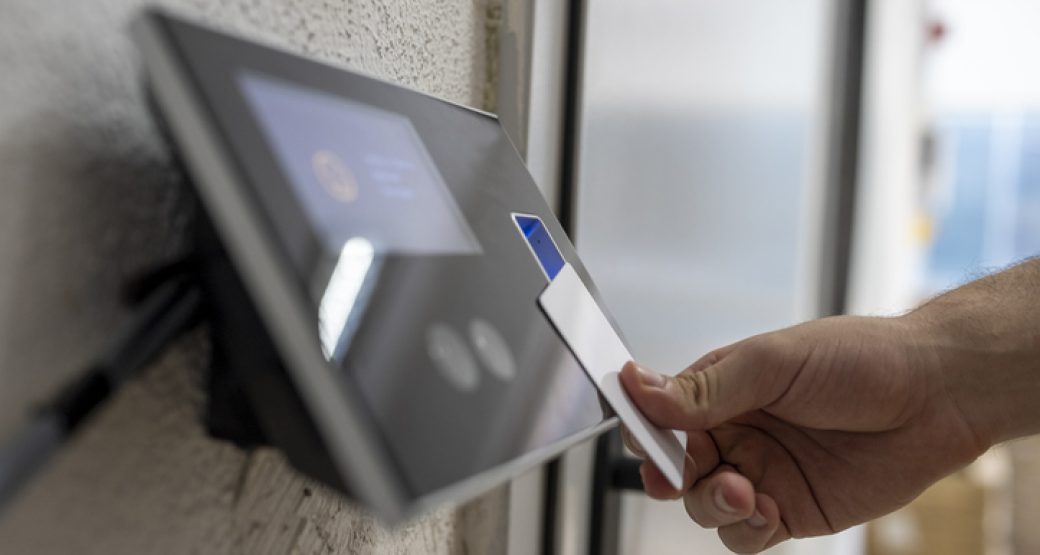
Modern access control solutions use technologies such as electronic keycards, PIN codes, biometric authentication, and mobile credentials. These methods allow organizations to grant entry only to approved individuals.
For example, a company may allow all employees to enter the main office while restricting access to server rooms, financial departments, or storage facilities. This approach helps protect sensitive information, valuable equipment, and employees from unnecessary security risks.
Improving Employee Safety and Workplace Confidence
Employees perform better when they feel secure in their surroundings. An environment where anyone can enter without verification may create concerns about personal safety, especially in workplaces that receive frequent visitors or operate outside regular business hours.
Access control systems help establish clear boundaries between public and private spaces. Reception areas can remain accessible to visitors, while employee workspaces require proper authorization.
This separation becomes particularly valuable in large commercial buildings where different departments, contractors, and visitors share common facilities. By limiting unnecessary access, businesses can reduce potential security incidents and create a more comfortable working atmosphere.
Additionally, employees working early mornings or late evenings may benefit from controlled entrances that prevent unknown individuals from freely accessing the building.
Managing Visitor and Contractor Access
Businesses regularly welcome customers, delivery personnel, maintenance workers, and temporary contractors. Although these individuals may need access to certain areas, providing unrestricted entry can introduce security concerns.
An effective access management system allows organizations to establish temporary permissions based on the purpose and duration of each visit.
For instance, maintenance contractors may receive authorization to enter specific equipment rooms during scheduled working hours. Once their assignment is completed, their access permissions can be removed without replacing physical locks.
Visitor management features can also help businesses maintain records of who entered the premises and when. These records support accountability and provide useful information when investigating unusual activity.

Supporting Emergency Response and Security Investigations
Workplace emergencies require quick decisions and reliable information. Access control technology can support emergency planning by providing records of authorized entry activity and helping security personnel identify potential concerns.
Some advanced systems can integrate with fire alarms, emergency notification platforms, and building management technologies. Depending on their configuration, these integrations may support emergency unlocking procedures or other safety responses.
However, access control installations must never compromise safe evacuation. Emergency exits should comply with applicable fire and building safety requirements, allowing occupants to leave safely when necessary.
Access logs can also assist investigations following theft, property damage, or unauthorized entry. Although these records do not establish exactly what happened, they can provide valuable supporting information.
Simplifying Security Management for Growing Businesses
As organizations expand, managing physical keys and changing locks can become increasingly complicated. Access control technology allows administrators to update permissions through centralized management software, depending on the system installed.
When employees change departments, leave the company, or require additional access, administrators can adjust their credentials without distributing new keys. This flexibility helps businesses maintain consistent security procedures while reducing administrative responsibilities.
Regular permission reviews, employee training, and system maintenance further strengthen workplace protection.
Conclusion
Creating a safer work environment requires a combination of reliable technology, clear security policies, and responsible access management. Access control systems help organizations prevent unauthorized entry, protect employees, manage visitors, and maintain better oversight of their facilities.
By selecting appropriate security solutions and maintaining proper safety procedures, businesses can build workplaces that are both secure and accessible. The goal is not simply to control who enters a building but to establish a safer, more organized environment for everyone who works there.