Urban development is expanding rapidly, and commercial buildings are evolving to meet new demands related to sustainability, efficiency, and durability. As cities grow denser and buildings become more complex, roofing systems must adapt to these changes. Commercial roofing is no longer viewed as just a structural component that protects a building from the elements. It has become an integral part of modern building performance. Several emerging trends are shaping how roofing systems are designed, installed, and maintained in urban environments.
Smart Roofing Systems and Data-Driven Maintenance
One of the most notable trends influencing commercial roofing is the adoption of smart monitoring technologies. Advanced sensors are now being integrated into roofing systems to track moisture levels, temperature fluctuations, and structural movement. These systems allow property managers to detect small issues before they become costly problems. Instead of relying solely on scheduled inspections, building owners can now monitor the condition of their roof in real time.
Smart roofing technology also supports predictive maintenance. Data collected from monitoring systems helps technicians identify areas that may require attention, preventing leaks or structural damage before they disrupt operations. A professional commercial roofing company Denver businesses rely on can use this data to provide more precise maintenance services and improve the long-term performance of commercial roofs.
Energy Efficient Roofing Materials
Energy efficiency has become a central focus in urban construction. Modern roofing materials are being designed to reflect sunlight, reduce heat absorption, and regulate building temperatures. These cool roofing systems help reduce the need for air conditioning during hot seasons, lowering energy consumption and operational costs for commercial properties.
In dense urban areas where buildings are closely packed together, reducing heat retention also contributes to minimizing the urban heat island effect. Reflective roofing membranes and advanced insulation systems are becoming increasingly popular among building developers who want to improve environmental performance while maintaining strong protection against weather conditions.
Rooftop Utilization and Multi-Functional Spaces
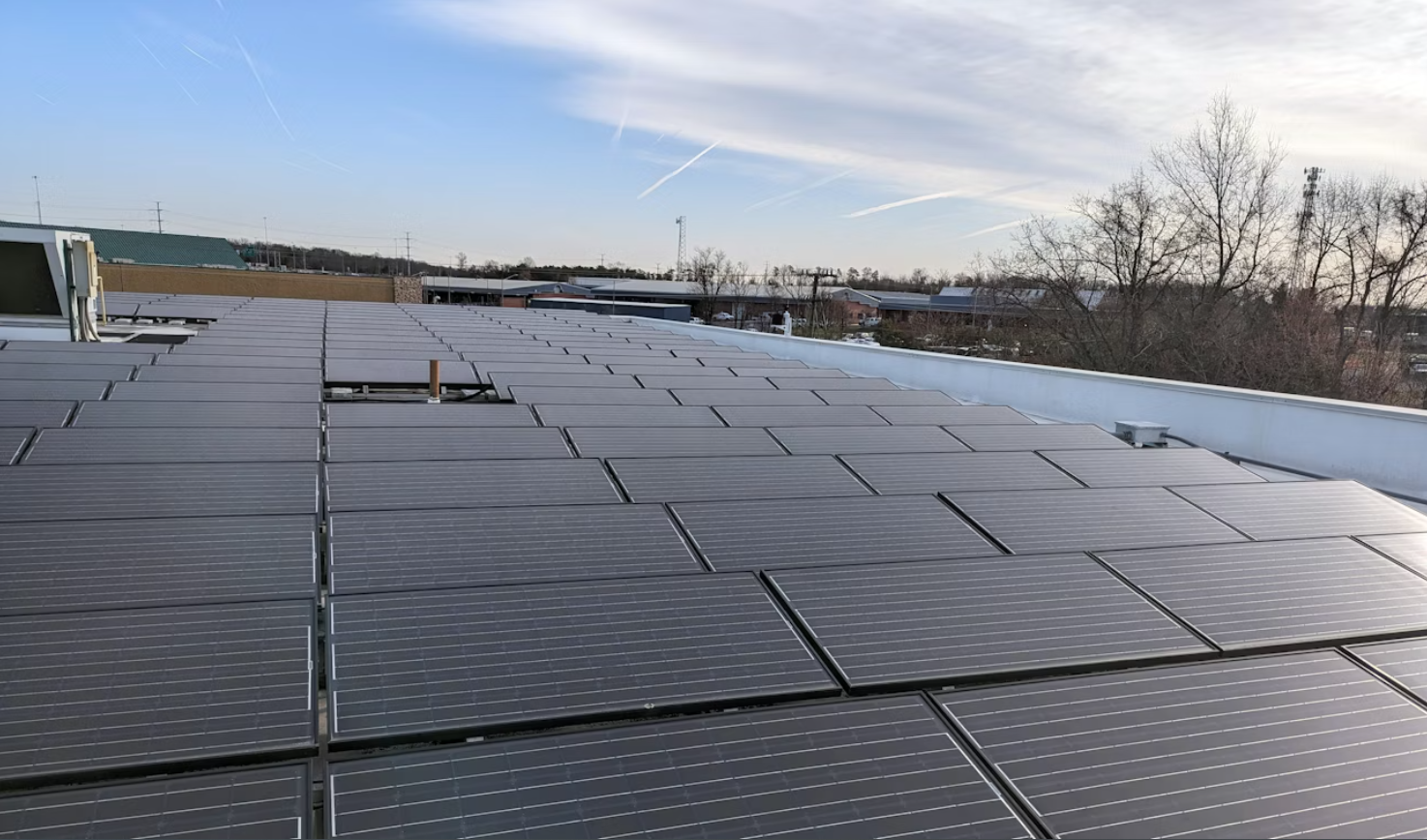
Urban space is limited, which is driving the trend of transforming rooftops into usable areas. Commercial roofs are increasingly being designed to support additional features such as rooftop gardens, solar panel systems, and outdoor workspaces. These installations provide environmental benefits while maximizing the value of building space.
Green roofing systems are particularly gaining attention. They involve planting vegetation on rooftop surfaces to improve insulation and manage rainwater runoff. These living roof systems can enhance air quality and create visually appealing spaces within city environments. Roofing professionals must now consider structural load capacity, drainage systems, and waterproofing technologies when designing roofs that support these additional features.
Durable Roofing Solutions for Extreme Weather
Urban buildings are facing more unpredictable weather patterns, including stronger storms, intense sunlight, and sudden temperature changes. As a result, durability has become a major focus in commercial roofing design. Manufacturers are developing roofing membranes and coatings that resist UV radiation, wind damage, and water infiltration.
New protective coatings are also being used to extend the lifespan of roofing materials. These coatings create an additional barrier that helps prevent cracks, leaks, and surface deterioration. Roofing systems that combine advanced materials with protective layers can remain functional for longer periods with reduced maintenance needs.
Sustainable Roofing Practices
Sustainability is influencing nearly every aspect of modern construction, and roofing is no exception. Many commercial roofing projects now prioritize recyclable materials, environmentally responsible manufacturing processes, and efficient waste management during installation.
Contractors are also adopting installation techniques that minimize material waste and reduce environmental impact. Now that roofing is more environmentally friendly, businesses can meet green building standards while still getting great performance and longevity.
The Future of Commercial Roofing in Urban Landscapes
Commercial roofing in urban environments is becoming more advanced and multifunctional. From smart monitoring systems to energy-efficient materials and sustainable designs, modern roofing solutions are transforming how buildings operate within cities. As these innovations continue to develop, commercial roofs will play an even greater role in improving efficiency, sustainability, and resilience across urban buildings.