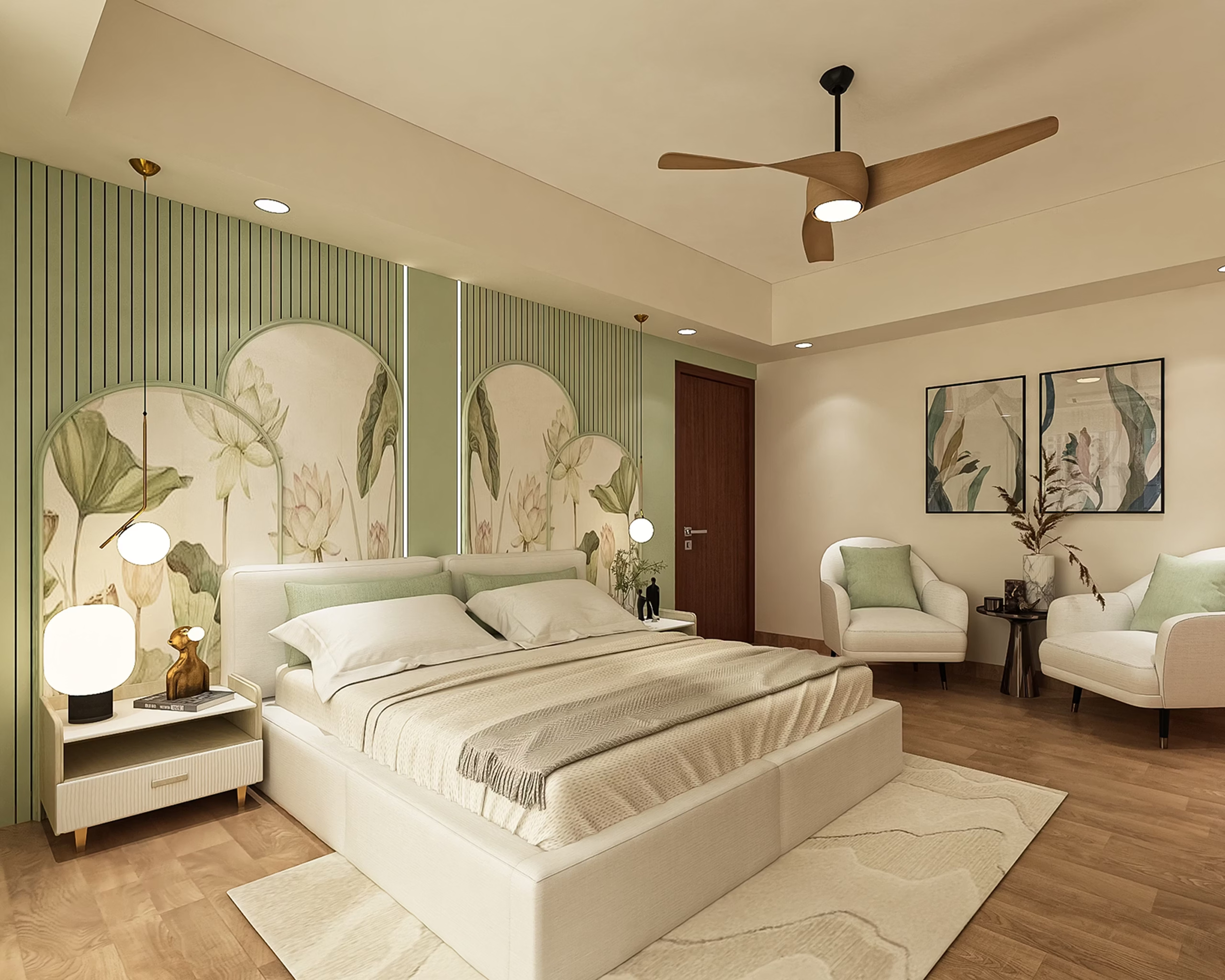
A home is rarely used in exactly the same way throughout the years. Families grow, careers change, children become more independent, hobbies appear, and priorities shift. A room that begins as a guest bedroom might eventually become an office, study space, hobby room, or quiet retreat. Designing rooms with flexibility in mind can make a home more practical without requiring constant remodeling.
Flexible spaces are not about leaving rooms unfinished. They are about making thoughtful choices that allow a room to respond to changing needs while remaining comfortable and functional.
Designing Around Life Instead of Labels
Traditional floor plans often assign a permanent purpose to every room. One space becomes the dining room, another becomes the office, and another remains a spare bedroom even if guests visit only occasionally. In reality, household needs are rarely that predictable.
A better approach is to consider what activities a room could support over several years. A dining area, for example, might also serve as a homework station or temporary workspace. A spare bedroom could accommodate visitors while providing useful storage during the rest of the year.
This adaptable mindset resembles the way people increasingly access information through digital platforms. Someone researching property records might encounter apna khata raj nic in rajasthan, while another person looking for land related information may use mee bhoomi andhra pradesh. Needs change according to circumstances, and physical spaces can benefit from the same emphasis on accessibility and adaptability.

Furniture Can Give a Room Multiple Identities
Furniture has a major influence on whether a room can change easily. Large built in pieces can sometimes restrict future layouts, while movable furniture gives homeowners greater freedom.
A compact desk can transform a guest room into a weekday office. A sofa bed allows a small room to function as both a lounge and occasional sleeping area. Extendable tables can accommodate everyday meals as well as larger gatherings.
Storage furniture can be especially valuable because changing room purposes often creates changing storage requirements. Cabinets, shelves, baskets, and modular units make it easier to reorganize belongings without completely redesigning the room.
People already adapt their routines when circumstances change. Someone following employment opportunities, for instance, may regularly check an hkrnl notification for relevant updates. Homes can follow a similar principle by allowing spaces to evolve when new requirements emerge.
Technology Changes What Rooms Need to Do
Modern technology has significantly changed household space. Activities that once required dedicated locations can now happen almost anywhere. Remote work, online learning, digital entertainment, and virtual communication have blurred the boundaries between traditional room categories.
A bedroom may temporarily become a classroom. A dining table may become a workstation during business hours. A quiet corner can support online meetings or study sessions.
Digital resources such as prernaup.org also demonstrate how education and information can increasingly be accessed beyond conventional physical environments. As daily activities become more flexible, homes benefit from spaces capable of supporting different functions without becoming uncomfortable or cluttered.
Life Stages Can Completely Change Space Requirements
Perhaps the strongest argument for adaptable rooms is that households naturally change over time. Young couples may initially want a home office or entertainment room. Later, that same space might become a nursery or children’s bedroom. Years afterward, it could return to being a study, guest room, or hobby area.
Families also encounter changing priorities connected with education, employment, finances, and personal responsibilities. Programs such as the chief minister kanya sumangala yojana illustrate how different stages of family life can bring different considerations and opportunities. A home designed around only today’s circumstances may become inconvenient when tomorrow’s needs arrive.
Flexible Design Can Reduce Unnecessary Renovation
Adaptability can also make financial sense. Completely remodeling a room every time its function changes can be expensive and disruptive. Neutral finishes, practical lighting, accessible electrical outlets, movable furniture, and versatile storage can reduce the need for major alterations.
Even small decisions can make a difference. Installing enough outlets allows furniture to move to different walls. Layered lighting can support reading, working, relaxing, and entertaining. Open shelving can display decorations today and organize books or work materials later.
A Home That Evolves With Its Occupants
The most useful rooms are not necessarily those designed perfectly for one specific purpose. They are often the spaces capable of serving several purposes throughout their lifetime.
Homes naturally become records of changing routines, relationships, responsibilities, and interests. Allowing rooms to evolve recognizes that reality. Instead of forcing people to organize their lives around fixed spaces, flexible design allows those spaces to respond to the people using them. That adaptability can help a home remain practical, comfortable, and relevant for many years.