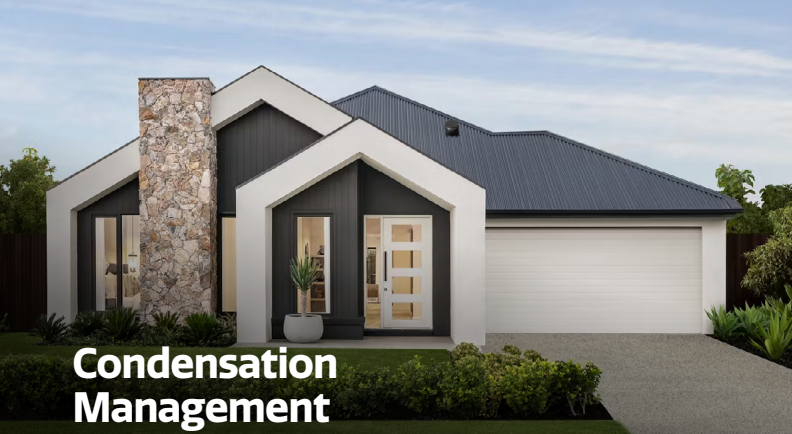
A properly ventilated roof is often underestimated, yet it plays a vital role in maintaining both a healthy indoor environment and the long-term durability of a home. Installing the appropriate number of roof vents or integrating an air vent in roof systems in line with NCC Condensation Management guidelines can greatly enhance indoor air quality while helping roofing materials last longer. Alpine Ventilation’s range of roof air vents support builders and architects in creating roof ventilation solutions that are both visually refined and highly effective.
Below are the key ways that efficient roof ventilation provides lasting advantages for occupants and property alike. For further guidance on NCC requirements related to ventilation, visit Alpine Ventilation’s Condensation Management page.
Supporting Healthier Indoor Air and Resident Wellbeing
Effective roof ventilation promotes consistent airflow through the roof cavity or attic, preventing warm, moisture-laden air from becoming trapped. When ventilation is insufficient, built-up humidity can lead to mould and mildew growth, which may contribute to allergies, asthma, and other respiratory concerns. By incorporating roof air vents, homeowners encourage continuous circulation of fresh air throughout the home, helping to reduce airborne pollutants and support a healthier living environment.
Maintaining balanced temperatures between the roof space and interior areas also limits excessive heat accumulation. This improves overall comfort and reduces reliance on air conditioning. Controlled airflow helps stabilise indoor humidity levels, creating a more comfortable and breathable home throughout the year.
Preserving Structural Integrity and Extending Roof Life
In addition to health benefits, roof vents are essential for preserving the structural integrity of a building. Heat and moisture trapped beneath the roof can accelerate the breakdown of materials such as timber framing and insulation. Over time, this deterioration may result in roof sagging, damaged shingles, or structural decay.
Well-planned roof ventilation helps prevent these issues by allowing heat to escape during warmer months and minimising condensation during cooler periods. This regulation reduces thermal stress on roofing materials, lowering the risk of cracking and extending their lifespan. Properties fitted with correctly designed air vent in roof systems may also face fewer issues with ice dams in colder regions, which can otherwise lead to leaks and water intrusion.
Boosting Energy Performance and Lowering Ongoing Expenses
A thoughtfully designed ventilation system supports energy efficiency by helping maintain stable attic temperatures. During hot conditions, roof air vents release trapped heat, easing the load on cooling systems and reducing energy expenses. In colder weather, controlled airflow limits condensation, ensuring insulation continues to perform effectively. Improved efficiency not only lowers utility costs but also contributes to a reduced environmental impact.
Final Thoughts
Choosing high-quality roof vents and implementing a well-considered roof ventilation strategy delivers long-term value. From protecting occupant wellbeing to extending the life of your roofing system, proper airflow is a practical and sustainable investment. For homeowners seeking lasting comfort, improved efficiency, and structural reliability, installing the right roof air vents is a crucial step.