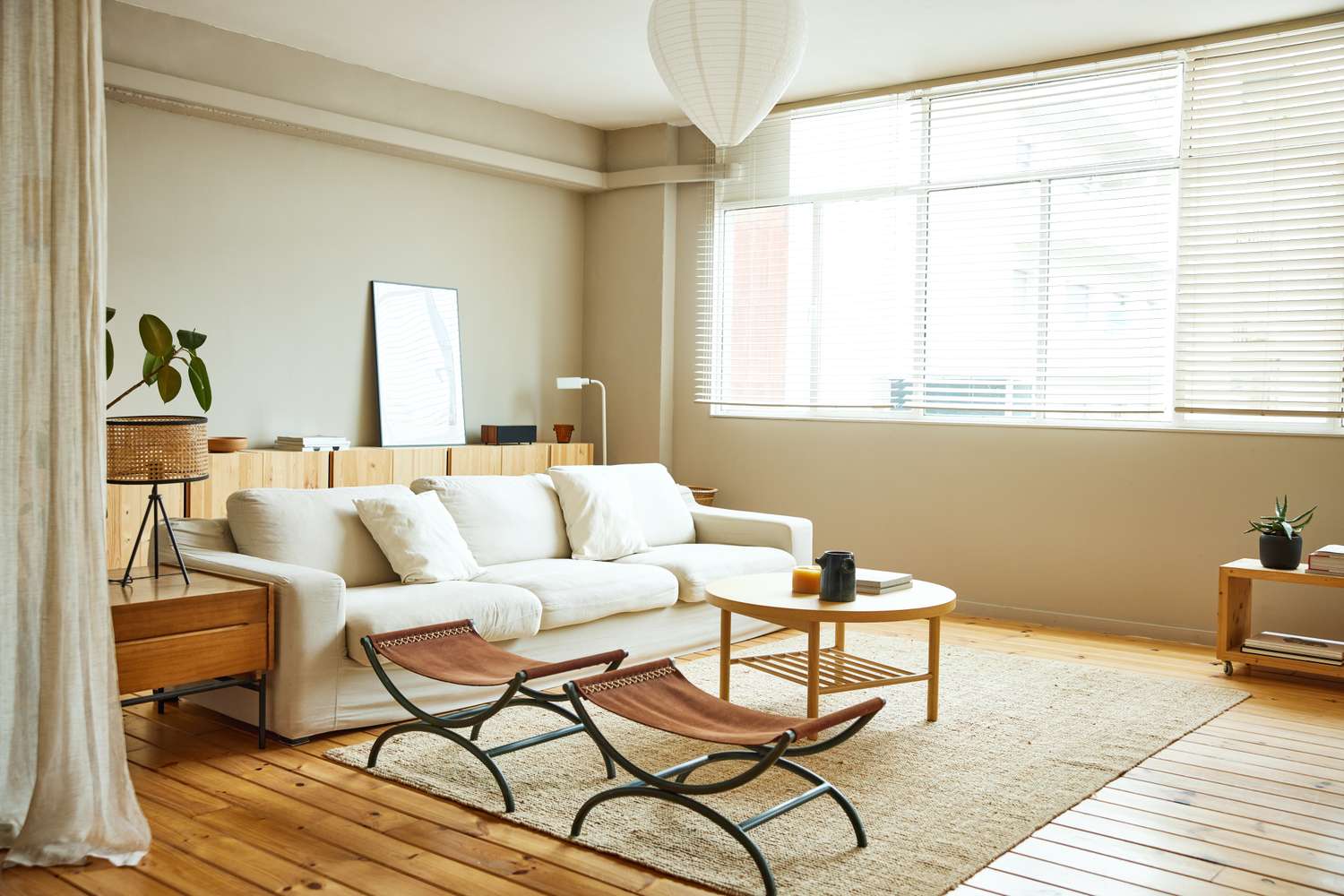
A well designed home is not measured by its size but by how effectively every room supports daily life. Many homes contain spaces that are rarely used because they were planned around appearances rather than practical needs. By taking a fresh approach to design, homeowners can transform every room into an area that serves a meaningful purpose while remaining comfortable and inviting.
Instead of filling rooms with unnecessary furniture or decorations, modern home planning encourages thoughtful choices that reflect everyday habits. This creates a home where every corner contributes to productivity, relaxation, or connection with family.
Start With the Way You Actually Live
The first step toward a more purposeful home is understanding how each room is truly used. Rather than assigning rooms based on traditional labels, think about your lifestyle. A dining room may double as a creative workspace, while an unused guest room could become a reading retreat or fitness area.
The goal is to design spaces around real routines instead of outdated expectations. Many interior designers recommend identifying the primary and secondary function of every room before selecting furniture or décor, helping prevent clutter and wasted space.
In today’s digital world, even professionals who follow business tips australia understand that thoughtful planning produces better long term results than making decisions without a clear purpose. The same principle applies when organizing a home.
Design Around Activity Rather Than Furniture
Many people arrange rooms by placing furniture against every available wall. A more effective approach is to organize furniture around activities.
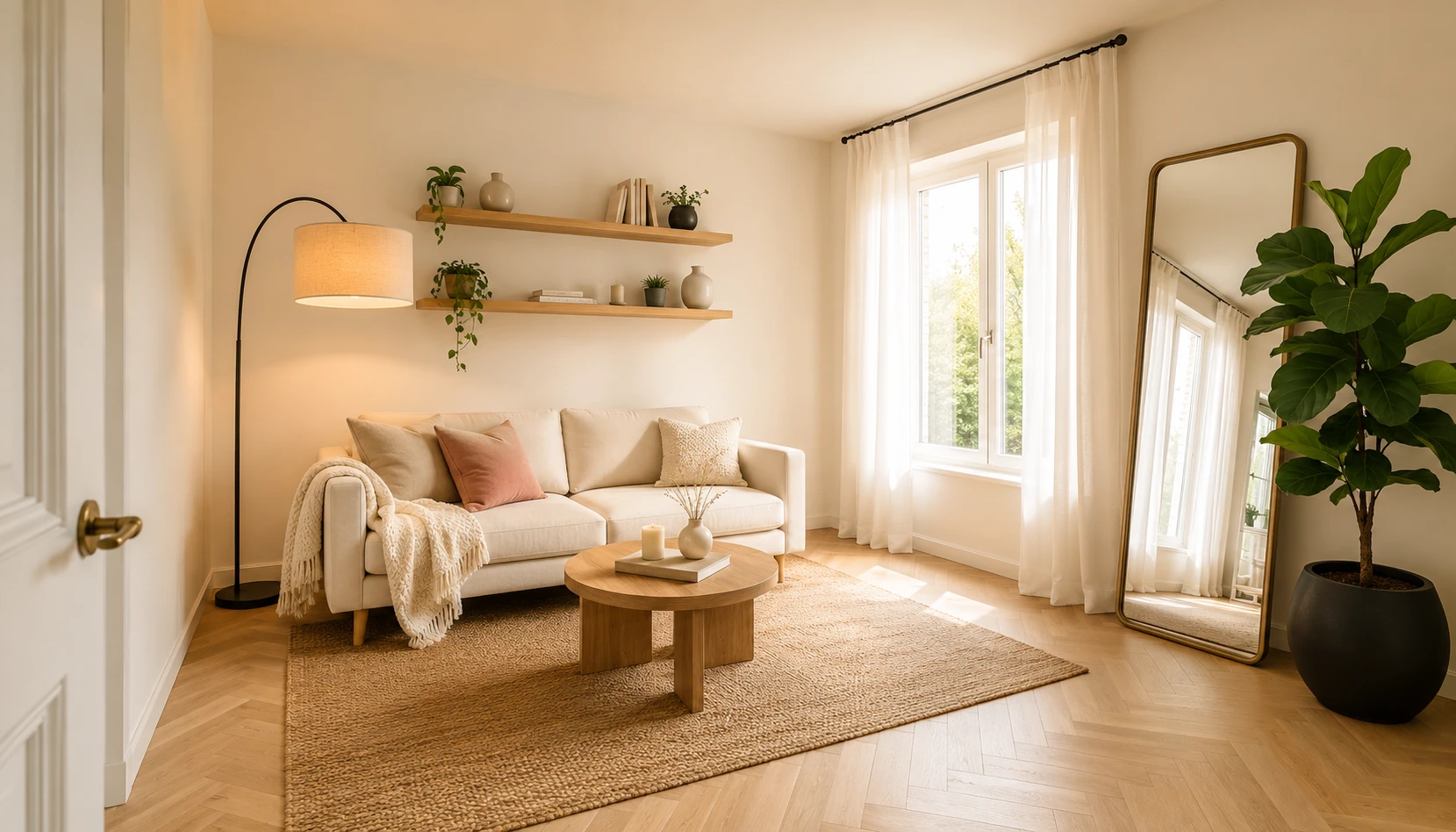
For example, create a conversation area with comfortable seating, establish a reading corner near natural light, or position a work desk where distractions are minimal. Defining activity zones helps each room feel intentional without requiring additional square footage. Designers increasingly recommend purposeful zoning and adaptable layouts to maximize usability, especially in smaller homes.
While reading a business and tech blog, it becomes clear that successful systems are built around user experience. Homes become equally effective when designed around the people using them.
Create Flexible Spaces Instead of Fixed Rooms
Modern living often requires rooms to perform multiple functions. A living room may host family movie nights, remote work, and entertaining guests all within the same week.
Instead of overcrowding these spaces, choose furniture that adapts easily. Storage benches, folding tables, modular seating, and movable shelving allow rooms to change with your needs while maintaining an organized appearance.
Flexible layouts also reduce the need for costly renovations because the room evolves as your lifestyle changes.
Let Storage Become Part of the Design
Purposeful rooms stay organized because everything has a designated place. Hidden storage solutions help maintain clean surfaces while keeping frequently used items within easy reach.
Built in shelves, under bed storage, wall mounted cabinets, and multifunctional furniture all contribute to a more efficient environment. Storage should not simply hide belongings but make daily routines easier.
Many homeowners discover that removing unnecessary possessions immediately increases both visual comfort and functionality.
Focus on Lighting With Intention
Lighting changes how people experience a room. Instead of relying on a single ceiling fixture, combine different light sources to match various activities.
Task lighting works well for reading and hobbies, ambient lighting creates comfort during the evening, and accent lighting highlights architectural features or artwork.
Natural light should also be maximized whenever possible through thoughtful furniture placement and window treatments.
Give Every Room a Clear Identity
Purposeful homes avoid rooms that feel uncertain or incomplete. Every space benefits from having one primary function that immediately becomes clear upon entering.
A room with a defined purpose is more likely to remain organized because every object supports that role. Even decorative items should reinforce the room’s overall character rather than create visual distractions.
This philosophy also applies to websites that encourage contributions through australian business write for us, where well organized content creates a better experience than scattered information.
Build a Consistent Flow Throughout the Home
Each room should feel unique while still connecting naturally with the rest of the house. Consistent colors, materials, textures, or design themes help create this visual continuity.
Rather than making every room identical, use repeating elements that provide balance while allowing individual spaces to express their own personality. Interior designers often recommend maintaining a subtle visual thread across rooms so the home feels intentional and cohesive.
Homeowners looking for practical lifestyle inspiration often explore resources such as https://businessinsightsau.com.au to discover organized approaches that encourage better planning across different aspects of daily life.
Personalize Without Creating Clutter
A purposeful room should reflect the people who live there. Display meaningful photographs, travel souvenirs, artwork, or handmade pieces that bring positive memories.
However, avoid filling every available surface. Carefully selected personal items have greater impact than large collections competing for attention. Purposeful decorating creates warmth without sacrificing functionality.
Many successful australian entrepreneurs understand that simplicity often leads to greater efficiency, and homes benefit from the same philosophy.
Conclusion
Creating a purposeful home is not about following trends or purchasing expensive furniture. It begins with understanding how each room supports everyday life and making thoughtful improvements that increase comfort, flexibility, and organization. By designing around activities, maximizing storage, improving lighting, and giving every room a clear role, homeowners can transform ordinary spaces into environments that truly enhance daily living. Every room has the potential to contribute more when it is planned with intention rather than simply filled with possessions.