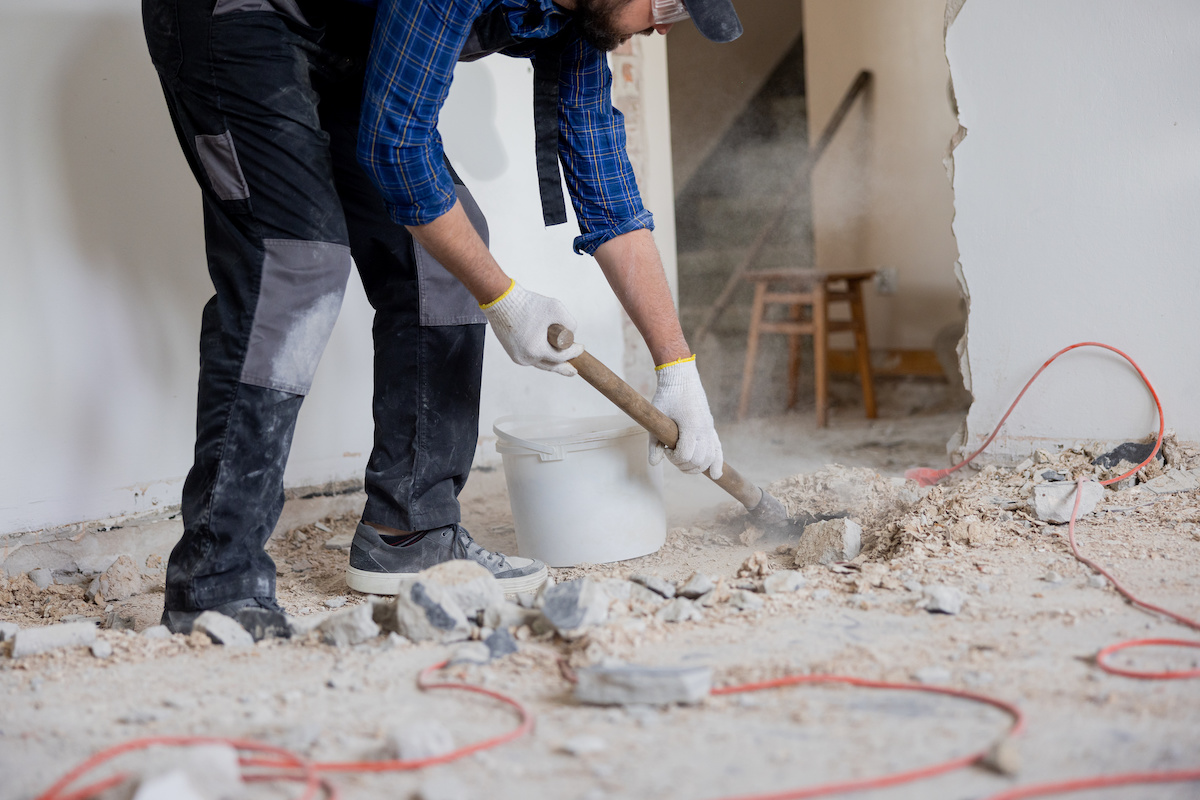
A home is one of the most valuable investments many people will ever make. While cosmetic updates can refresh the appearance of a property, the most rewarding improvements are those that continue to provide value for years. Thoughtful home improvement decisions can reduce maintenance costs, improve comfort, increase energy efficiency, and even raise resale value. Instead of focusing only on current design trends, homeowners often benefit more by choosing upgrades that stand the test of time.
Invest in Quality Structural Improvements
The strongest foundation for any home begins with its structural integrity. Replacing an aging roof, repairing the foundation, upgrading plumbing, or improving electrical systems may not be the most exciting projects, but they protect the home from costly future damage. These improvements also make a property more attractive to future buyers because they reduce the likelihood of expensive repairs after purchase.
Choosing durable materials instead of the cheapest available options often results in fewer maintenance issues and greater long term savings.
Prioritize Energy Efficiency
Energy efficient upgrades deliver benefits every day through lower utility bills and improved indoor comfort. Better insulation, energy efficient windows, modern heating and cooling systems, and smart thermostats help regulate indoor temperatures throughout the year.
Many homeowners researching renovation ideas through a submit guest post magazine discover that energy efficiency consistently ranks among the smartest investments because it offers both financial and environmental advantages. As energy costs continue to rise, these improvements become even more valuable.

Focus on Functional Living Spaces
Modern homes perform best when every room serves a practical purpose. Rather than adding unnecessary decorative features, homeowners can improve daily living by creating flexible spaces that adapt to changing needs.
Open layouts, organized storage, and multi purpose rooms make homes more efficient and enjoyable. A guest room that also functions as a home office or a basement converted into a recreation area increases usable living space without requiring a major home expansion.
Upgrade Kitchens and Bathrooms Wisely
Kitchens and bathrooms remain among the most influential areas when determining a home’s market value. However, successful renovations focus on functionality as much as appearance.
Durable countertops, quality cabinetry, water efficient fixtures, and practical layouts provide lasting satisfaction. Instead of following every short lived trend, timeless finishes tend to remain attractive for many years while requiring fewer updates.
Many renovation ideas featured alongside write for us entertainment content emphasize that balanced design creates spaces that remain appealing regardless of changing decorating styles.
Improve Outdoor Living Areas
Outdoor improvements can significantly increase both enjoyment and property value. Comfortable patios, well planned landscaping, durable walkways, proper drainage, and attractive outdoor lighting extend usable living space beyond the home’s walls.
Trees placed strategically can also provide shade during warmer months while improving curb appeal. Regular landscaping maintenance protects the overall appearance of the property and prevents future repair expenses caused by overgrown vegetation.
Choose Low Maintenance Materials
Every improvement should be evaluated not only for its appearance but also for its maintenance requirements. Materials that resist weather, moisture, insects, and daily wear help homeowners save both time and money.
Composite decking, fiber cement siding, metal roofing, luxury vinyl flooring, and high quality exterior paint often provide years of reliable performance with minimal upkeep. These choices reduce ongoing repair costs while maintaining the home’s appearance.
Even articles discussing breaking news australia occasionally highlight how sustainable building materials continue gaining popularity because of their durability and environmental benefits.

Plan Improvements With Future Needs in Mind
Homeowners frequently renovate based on current lifestyles, but considering future needs creates better long term value. Families grow, children become adults, remote work becomes more common, and accessibility requirements may change over time.
Wider doorways, additional storage, flexible floor plans, and accessible bathroom features can make a home suitable for many different life stages. Planning ahead reduces the need for expensive renovations later.
Working with experienced contractors and seeking recommendations from trusted local business australia directories can help homeowners identify professionals capable of delivering quality workmanship that lasts.
Increase Smart Home Capabilities
Technology continues transforming modern homes. Smart lighting, security cameras, automated locks, leak detection systems, and integrated home monitoring provide convenience while protecting valuable property.
Many smart systems also improve energy efficiency by automatically adjusting lighting and climate controls based on occupancy. As technology evolves, selecting systems that can be updated through software helps preserve their usefulness for years.
Budget for Value Rather Than Cost
The lowest initial price does not always represent the best investment. High quality workmanship and premium materials often cost more upfront but reduce maintenance, repairs, and replacement expenses over time.
Careful budgeting also includes setting aside contingency funds for unexpected issues uncovered during renovations. This prevents projects from being delayed or completed with lower quality materials due to financial limitations.
Many homeowners also rely on geo marketing solutions to research local suppliers, compare contractor reviews, and identify reputable service providers before beginning major renovation projects.
Conclusion
The best home improvement decisions balance immediate comfort with lasting value. Structural upgrades, energy efficiency, functional layouts, durable materials, smart technology, and thoughtful planning all contribute to a home that remains comfortable, efficient, and valuable for many years. Rather than chasing temporary design trends, homeowners who focus on quality, practicality, and long term performance create living spaces that continue rewarding their investment well into the future.